
 Brian Dương
#Cashew Secrets Unveiled: Health Benefits, Risks, and How to Eat Them Right
Cashew Secrets Unveiled: Health Benefits, Risks, and How to Eat Them Right
05/08/2025 -
Nội dung bài viết
- 1. What Are Cashews, Really?
- 2. Are Cashews Toxic? Debunking the Myth
- 3. Why Are Cashews So Popular?
- 4. Top Health Benefits of Cashews
- 5. Cashew Nutrition Facts: What’s Inside a Small Handful
- 6. Are There Any Health Risks of Eating Cashews?
- 7. Best Ways to Eat Cashews for Maximum Health Benefits
- 8. Conclusion: Should You Add Cashews to Your Diet?
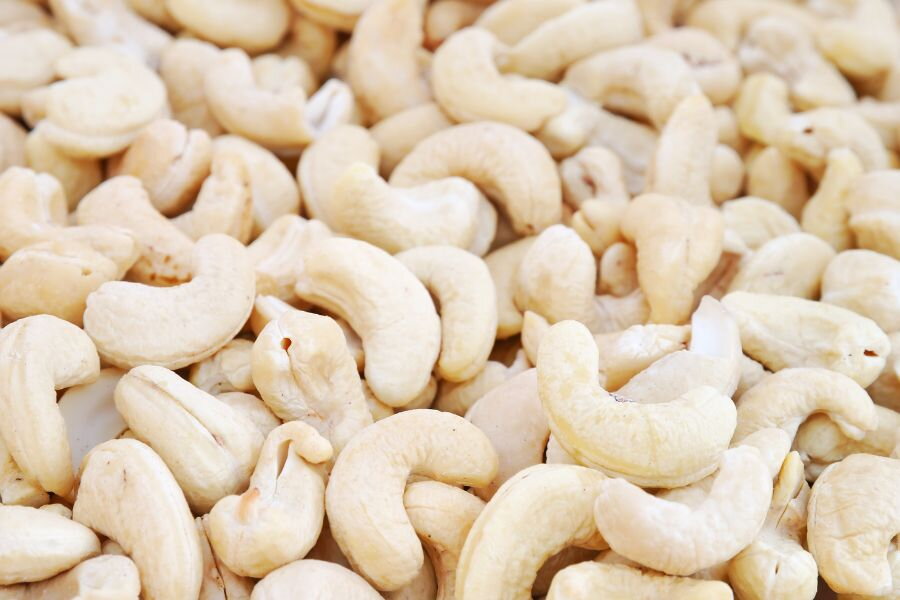
Cashews are a go-to snack for millions worldwide, beloved for their rich, buttery flavor and satisfying crunch. But did you know these tasty morsels aren't actually nuts? In fact, they’re seeds—harvested from the cashew tree and packed with nutrients, culinary versatility, and even a few health caveats.
In this comprehensive guide, we’ll explore everything you need to know about cashews: what they really are, their nutritional value, health benefits, possible downsides, and the healthiest ways to enjoy them.
What Are Cashews, Really?
Despite being widely referred to as “cashew nuts,” cashews are technically seeds that grow on the underside of the cashew apple—an exotic fruit from the Anacardium occidentale tree, native to Brazil. Today, these trees thrive in tropical regions across Africa, Southeast Asia, and India.
Before cashews are safe for consumption, they undergo a rigorous process. In their raw form, cashews are enclosed in a shell containing urushiol, a toxic compound also found in poison ivy. This makes raw cashews dangerous to handle or consume without proper treatment. That’s why all cashews sold commercially—whether labeled raw or roasted—have been heat-treated to eliminate any toxins.
Are Cashews Toxic? Debunking the Myth
Let’s set the record straight: the edible part of the cashew is not toxic. The danger lies in the outer shell, which contains urushiol. Contact with this substance can cause skin rashes, irritation, and even blisters.
Thanks to commercial processing, the cashews available in stores are completely safe to eat. Unless you’re harvesting them straight from the tree (which is strongly discouraged), there’s no risk of toxicity.
Why Are Cashews So Popular?
Cashews are a global culinary favorite for several compelling reasons:
-
Culinary versatility: Use them in stir-fries, sauces, curries, granola, or enjoy them as a snack.
-
Creamy texture: When blended, cashews transform into rich, dairy-free alternatives like cashew cream, cashew cheese, or vegan dips.
-
Mild, adaptable flavor: Works well in both sweet and savory dishes.
-
Plant-based nutrition: Ideal for vegan and vegetarian diets due to their healthy fats and protein.
You’ll find cashews prominently featured in Thai, Indian, African, and plant-based cuisine—further cementing their popularity worldwide.
Top Health Benefits of Cashews
Cashews aren’t just delicious—they’re nutrient powerhouses. Here’s how they support your health:
1. Promote Heart Health
Cashews contain monounsaturated and polyunsaturated fats, which help reduce LDL (bad) cholesterol and boost HDL (good) cholesterol. They also provide fiber and antioxidants that support healthy blood vessels and reduce inflammation.
2. Help Manage Cholesterol
When consumed in moderation as part of a balanced diet, cashews may help lower bad cholesterol, offering a heart-smart snack option.
3. Support Blood Sugar Control
Cashews may benefit individuals with type 2 diabetes. A 2018 study found that daily consumption of cashews led to improved blood sugar levels, likely due to their fiber and healthy fat content.
4. Offer Antioxidant Protection
Rich in vitamin E and polyphenols, cashews help neutralize free radicals, reducing oxidative stress and supporting immune health.
5. Aid in Weight Management
Although calorie-dense, cashews are also satiating. Studies suggest that the fats in cashews aren't fully absorbed during digestion, helping curb appetite and potentially aid weight control.
6. Easy to Add to Any Diet
Cashews can be eaten roasted, raw (processed), soaked, blended, or chopped—making them one of the easiest superfoods to include in your daily meals.
Cashew Nutrition Facts: What’s Inside a Small Handful
Don’t underestimate their size—cashews are rich in essential nutrients:
In just 40 grams of cashews, you get:
-
100% of your daily copper needs (supports brain function and red blood cell production)
-
33% of daily phosphorus (vital for strong bones and teeth)
-
29% of daily manganese (important for metabolism)
-
28% of daily magnesium (supports nerve and muscle function)
Cashews also provide around 15.7g of protein per 100g, making them a valuable source of plant-based protein—especially for those on vegan or vegetarian diets.
Are There Any Health Risks of Eating Cashews?
As nutritious as they are, cashews do have a few potential downsides:
1. High in Calories
Cashews are energy-dense. If consumed in large quantities, they may contribute to weight gain. Stick to moderate servings—typically a small handful (about 30-40g) per day.
2. Contain Phytates
Phytates are natural compounds that can reduce mineral absorption, especially iron and zinc. However, soaking or lightly roasting cashews can help reduce phytate levels and improve nutrient availability.
3. May Cause Digestive Issues in Excess
Overeating cashews can lead to bloating, constipation, and even joint swelling in rare cases. Always consume in moderation.
4. Not Suitable for Nut Allergies
Cashews are classified as tree nuts and should be completely avoided by individuals with nut allergies.
Best Ways to Eat Cashews for Maximum Health Benefits
To enjoy cashews safely and healthily:
-
✅ Choose unsalted or dry-roasted varieties to avoid excess sodium.
-
✅ Soak or roast at home to reduce phytates.
-
✅ Avoid over-processed or heavily flavored types (e.g., honey-roasted, BBQ) that add extra sugar or fats.
-
✅ Store properly in airtight containers to prevent rancidity and maintain freshness.
Conclusion: Should You Add Cashews to Your Diet?
Absolutely—if you're not allergic and you practice portion control, cashews can be a delicious and beneficial part of your diet. They provide essential nutrients, support heart and blood sugar health, and fit into many dietary lifestyles.
Whether blended into sauces, sprinkled on salads, or eaten straight from the bag, cashews are more than just a snack—they’re a smart nutritional choice.
Learn more: Cashew Nuts: Surprising Benefits, Hidden Risks, and Why Everyone’s Eating Them
Xem thêm: https://foods.be5.com.vn/hat-dieu-pho-mai/
How to Cook Perfect Fluffy Rice Every Time – No Rice Cooker Needed
Cashew Secrets Unveiled: Health Benefits, Risks, and How to Eat Them Right
Vietnamese Macadamia Nuts: The Next Global Superfood the Highlands
Hướng Dẫn Chi Tiết Cách Chơi Bida 3 Băng Cho Người Mới: Luật Chơi, Cách Tính Điểm và Mẹo Hiệu Quả
Cách Chọn Thảm Yoga Phù Hợp Cho Người Mới: 11 Tiêu Chí Quan Trọng & Gợi Ý Mẫu Tốt Nhất 2025
Gạo Trắng Hay Gạo Lứt Tốt Hơn? Sự Thật Dinh Dưỡng Bạn Cần Biết Trước Khi Lựa Chọn
Hạt Điều Rang Tỏi Ớt: Món Ăn Vặt Gây Nghiện Với Hương Vị Đậm Đà Và Giá Trị Dinh Dưỡng Tuyệt Vời
Khám Phá Nhân Hạt Macca: “Nữ Hoàng Của Các Loại Hạt” Và Những Lợi Ích Sức Khỏe Không Ngờ
Viraleze – Giải Pháp Xịt Mũi Hỗ Trợ Bảo Vệ Đường Hô Hấp Trước Nguy Cơ Virus
Gummies Chewy Vites – Giải Pháp Bổ Sung Vitamin Thông Minh Giúp Bé Khỏe Mạnh Mỗi Ngày
Hiểu Rõ Cường Độ Dòng Điện Trong Dây Dẫn: Bí Quyết Đảm Bảo An Toàn Cho Hệ Thống Điện
Thiết Kế Quán Bida Kết Hợp Cafe: Tạo Dấu Ấn Không Gian Để Khách Tự Muốn Quay Lại
TVQuản trị viênQuản trị viên
Xin chào quý khách. Quý khách hãy để lại bình luận, chúng tôi sẽ phản hồi sớm