
 Brian Dương
#What Is Vietnamese Sticky Rice? How to Identify It Compared to Other Types of Rice
What Is Vietnamese Sticky Rice? How to Identify It Compared to Other Types of Rice
27/05/2025 -
Nội dung bài viết
Vietnamese sticky rice, also known as glutinous rice or “xôi” rice, is a vital part of Vietnam’s culinary tradition. Celebrated for its chewy texture and versatility, sticky rice is used in a variety of sweet and savory dishes, especially in northern and central Vietnam. This article explores what Vietnamese sticky rice is, its unique features, and how to distinguish it from other popular types of rice.
Understanding Vietnamese Sticky Rice
Sticky rice, scientifically known as glutinous rice, is a special variety characterized by its high amylopectin content, which makes the grains sticky and cohesive when cooked. Unlike other rice types, sticky rice grains bind together firmly, making it ideal for dishes where the rice needs to hold shape or be eaten by hand.
Key Characteristics of Vietnamese Sticky Rice
-
Grain Size and Shape: Sticky rice grains are short and round, sometimes slightly oval.
-
Texture: The defining feature is its sticky, chewy texture after cooking.
-
Appearance: Grains are opaque or translucent, with a glossy sheen when cooked.
-
Flavor: Mild, neutral flavor that easily absorbs additional ingredients.
-
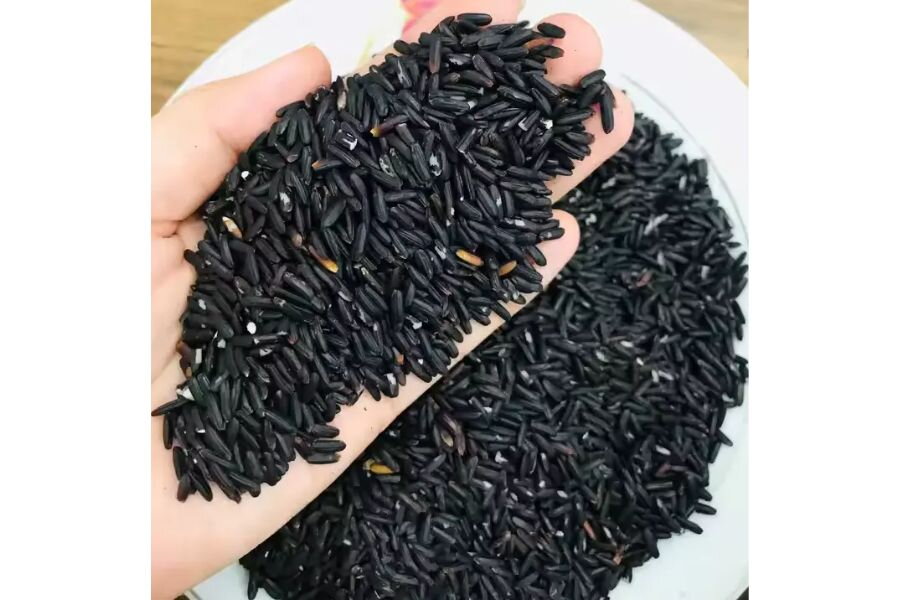
Color: Typically white, but can also be found in purple, black, or red varieties.
How to Identify Vietnamese Sticky Rice Compared to Other Types of Rice
Sticky rice differs significantly from other rice types in appearance, texture, and culinary use. Here are key points to identify sticky rice compared to other common rice varieties.
1. Vietnamese Sticky Rice vs. Jasmine Rice
-
Grain Shape: Jasmine rice has long, slender grains; sticky rice is short and round.
-
Texture: Jasmine rice cooks fluffy and separate; sticky rice clumps together.
-
Aroma: Jasmine rice is aromatic with floral notes; sticky rice has a mild, neutral scent.
-
Culinary Use: Jasmine rice is for steamed rice and fried rice; sticky rice is used for sticky dishes like xôi and bánh chưng.
2. Vietnamese Sticky Rice vs. Brown Rice
-
Processing: Brown rice retains the bran; sticky rice is polished white or pigmented.
-
Texture: Brown rice is chewy but not sticky; sticky rice is adhesive.
-
Flavor: Brown rice has a nutty taste; sticky rice is neutral.
-
Nutrition: Brown rice is higher in fiber; sticky rice is less so but easier to digest.
3. Vietnamese Sticky Rice vs. Long Grain White Rice
-
Grain Length: Long grain rice is, as the name suggests, long and slender; sticky rice grains are short and round.
-
Texture: Long grain rice cooks fluffy and separate; sticky rice becomes gluey.
-
Use: Long grain rice is a staple side dish; sticky rice is for special preparations and snacks.
4. Vietnamese Sticky Rice vs. Short Grain Rice (Non-glutinous)
-
Texture: Both short grain rice and sticky rice are short and round, but short grain non-glutinous rice is less sticky and more tender.
-
Use: Short grain non-glutinous rice is common in sushi and Asian dishes needing firmness but less stickiness.
Visual and Physical Identification Tips
-
Look for short, round grains: Sticky rice grains are noticeably shorter and plumper.
-
Check the texture: Raw sticky rice grains are harder and more opaque.
-
When cooked, sticky rice clumps: If the cooked rice holds together firmly, it is likely sticky rice.
-
Color variations: White sticky rice is most common, but purple, black, and red versions are traditional in many dishes.
Popular Vietnamese Dishes Made with Sticky Rice
Sticky rice’s unique properties make it a staple in many famous Vietnamese dishes:
-
Xôi (Sticky Rice): A traditional breakfast or snack made savory with pork, mung beans, or sweet with coconut and sugar.
-
Bánh Chưng and Bánh Tét: Traditional Tet holiday rice cakes wrapped in leaves, made from sticky rice.
-
Sticky Rice Dumplings: Often filled with meat or sweet beans, popular in festivals.
-
Sweet Sticky Rice Desserts: Such as chè, sweetened with coconut milk and fruits.
-
Grilled Sticky Rice: Mixed with turmeric or other spices, grilled in banana leaves.
Cooking Tips for Vietnamese Sticky Rice
-
Soak the rice: Soaking sticky rice for several hours or overnight improves texture.
-
Steam rather than boil: Steaming maintains texture and prevents mushiness.
-
Avoid rinsing excessively: To retain starch for stickiness.
-
Use a bamboo steamer or traditional steamer: For best results.
-
Serve warm: Sticky rice hardens as it cools.
Nutritional Profile
Sticky rice offers:
-
Carbohydrates: High-energy content.
-
Low fat: Naturally fat-free.
-
Gluten-free: Suitable for gluten-sensitive diets.
-
Lower fiber than brown rice: Easier to digest but less fiber.
-
Contains essential minerals: Like magnesium and phosphorus.
Conclusion
Vietnamese sticky rice is a unique and cherished rice variety central to many traditional dishes. Its sticky texture, short round grains, and neutral flavor distinguish it from jasmine, brown, and other rice types. Recognizing these differences is key to appreciating sticky rice’s role in Vietnamese culinary culture.
Whether used in savory dishes, festive cakes, or sweet treats, Vietnamese sticky rice continues to captivate food lovers with its versatility and rich tradition.
Learn more: Sticky Rice (Glutinous Rice)
Xem thêm: https://foods.be5.com.vn/gao-deo/
TVQuản trị viênQuản trị viên
Xin chào quý khách. Quý khách hãy để lại bình luận, chúng tôi sẽ phản hồi sớm