
 Brian Dương
#What Is Vietnamese Jasmine Rice? Comparison with Other Types of Rice
What Is Vietnamese Jasmine Rice? Comparison with Other Types of Rice
27/05/2025 -
Nội dung bài viết
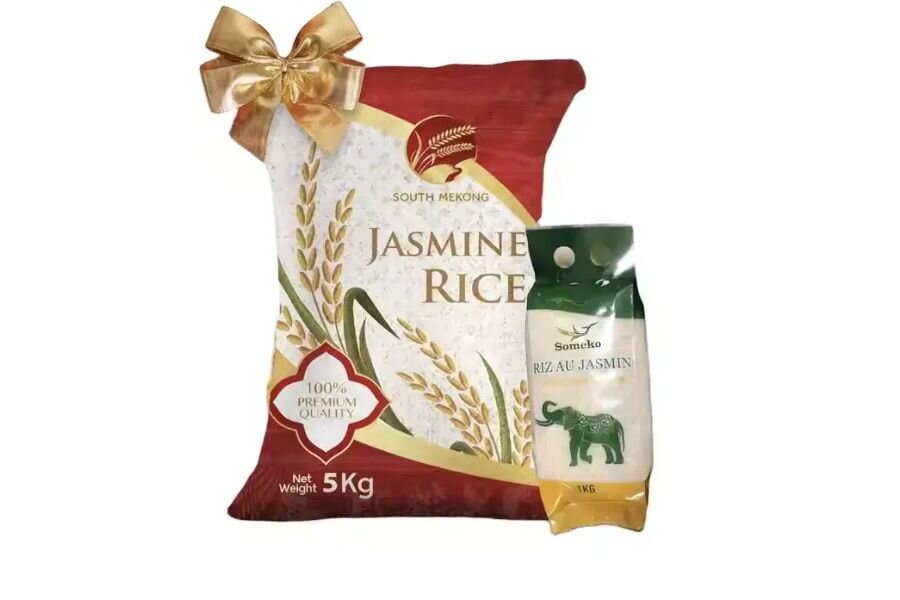
Vietnamese jasmine rice is renowned worldwide for its fragrant aroma, delicate texture, and superior quality. As one of the most prized rice varieties produced in Vietnam, it has gained international acclaim for elevating the culinary experience. This article delves into what Vietnamese jasmine rice is, its unique characteristics, and how it compares with other popular types of rice.
Understanding Vietnamese Jasmine Rice
Vietnamese jasmine rice, often called "aromatic rice" or simply jasmine rice, is a long-grain variety known for its naturally sweet aroma and soft texture. Cultivated mainly in Vietnam’s fertile Mekong Delta region, this rice benefits from optimal growing conditions that produce its distinctive qualities.
Key Features of Vietnamese Jasmine Rice
-
Distinctive Aroma: The hallmark of jasmine rice is its natural floral fragrance, which comes from a compound called 2-acetyl-1-pyrroline.
-
Long, slender grains: Vietnamese jasmine rice grains are polished to a bright white and have a slender, uniform shape.
-
Soft and fluffy texture: When cooked, jasmine rice grains remain separate, soft, and slightly sticky.
-
Mild, sweet flavor: The rice carries a subtle sweetness that enhances dishes without overpowering other ingredients.
-
Low broken grain content: High-quality jasmine rice ensures minimal broken grains, preserving its texture and appearance.
How Is Vietnamese Jasmine Rice Grown?
The Mekong Delta’s fertile alluvial soil, ample water supply, and tropical climate provide ideal conditions for jasmine rice cultivation. Farmers use advanced techniques alongside traditional methods to maximize yield and quality. Scientific breeding has produced award-winning varieties such as ST24 and ST25, celebrated for their superior aroma and texture.
Comparison with Other Types of Rice
To understand the uniqueness of Vietnamese jasmine rice, it's useful to compare it with other common rice varieties.
1. Vietnamese Jasmine Rice vs. Regular Long Grain White Rice
-
Aroma: Regular long grain rice is typically neutral with little fragrance; jasmine rice is distinctly aromatic.
-
Texture: Jasmine rice is softer and slightly stickier; regular long grain rice tends to be firmer and less sticky.
-
Flavor: Jasmine rice has a subtle, sweet taste; regular long grain rice has a more neutral flavor.
-
Use: Jasmine rice is preferred for dishes where aroma and texture enhance the meal; regular rice suits a wider variety of cuisines requiring fluffier, firmer rice.
2. Vietnamese Jasmine Rice vs. Basmati Rice
-
Aroma: Basmati rice from India and Pakistan has a nutty, spicy aroma; Vietnamese jasmine rice offers a floral fragrance.
-
Grain Size: Basmati grains are longer and thinner; jasmine rice grains are long but slightly shorter and plumper.
-
Texture: Basmati rice is drier and fluffier; jasmine rice is softer and more moist.
-
Culinary Uses: Basmati suits Indian, Middle Eastern dishes; jasmine rice fits Southeast Asian cuisine better.
3. Vietnamese Jasmine Rice vs. Short Grain Rice
-
Grain Shape: Jasmine rice has long, slender grains; short grain rice is round and plump.
-
Texture: Jasmine rice grains separate and fluff up; short grain rice is sticky and clumps together.
-
Dishes: Jasmine rice is ideal for steamed rice and fried rice; short grain rice is used in sushi, sticky rice, and rice cakes.
4. Vietnamese Jasmine Rice vs. Brown Rice
-
Processing: Brown rice retains bran and germ, while jasmine rice is polished white rice.
-
Nutritional Value: Brown rice is richer in fiber and nutrients; jasmine rice is easier to digest and has a softer texture.
-
Cooking Time: Brown rice takes longer to cook; jasmine rice cooks quickly.
-
Flavor and Texture: Brown rice has a nuttier flavor and chewy texture; jasmine rice is sweet and tender.
Culinary Uses of Vietnamese Jasmine Rice
Vietnamese jasmine rice’s aroma and texture make it perfect for a wide variety of dishes:
-
Steamed Rice: Served alongside grilled meats, seafood, and vegetable dishes.
-
Fried Rice: Its fluffy grains absorb sauces well without becoming mushy.
-
Rice Bowls and Salads: Enhances fresh herbs and mixed ingredients.
-
Special Occasions: Used in festive and ceremonial meals.
-
International Cuisine: Increasingly featured in fusion dishes worldwide.
Nutritional Benefits
Vietnamese jasmine rice is a good source of carbohydrates, providing energy and some protein, while being low in fat. Though less nutrient-dense than brown rice, it is gluten-free and easily digestible, making it suitable for a wide range of diets.
Why Choose Vietnamese Jasmine Rice?
-
Superior Aroma and Taste: Its natural fragrance enhances meal enjoyment.
-
Soft, Fluffy Texture: Ideal for many culinary applications.
-
Versatility: Suitable for both traditional Vietnamese dishes and global cuisine.
-
Consistent Quality: Rigorous farming and milling processes ensure premium product.
-
Cultural Authenticity: Integral to Vietnamese culinary heritage.
Conclusion
Vietnamese jasmine rice is a fragrant, flavorful, and versatile rice variety that stands out among other types of rice. Whether compared to regular long grain rice, basmati, short grain, or brown rice, jasmine rice offers a unique combination of aroma, texture, and taste. Cultivated in Vietnam’s fertile Mekong Delta, it represents a perfect blend of natural advantage and human innovation.
For those seeking to experience authentic Vietnamese cuisine or simply enjoy high-quality aromatic rice, Vietnamese jasmine rice is an excellent choice that elevates any meal.
Xem thêm: https://cotham.org/jasmine-rice/
Xem thêm: https://foods.be5.com.vn/gao-xop/
TVQuản trị viênQuản trị viên
Xin chào quý khách. Quý khách hãy để lại bình luận, chúng tôi sẽ phản hồi sớm