
 Brian Dương
#What is Cashew Flour? How Much?
What is Cashew Flour? How Much?
27/05/2025 -
Nội dung bài viết
As health-conscious consumers and food innovators seek alternatives to traditional wheat-based products, cashew flour has emerged as a versatile, nutrient-rich, and gluten-free ingredient that checks all the right boxes. Whether you're pursuing a plant-based diet, a gluten-free lifestyle, or exploring creative baking, cashew flour offers both culinary flexibility and nutritional benefits.
This article provides a complete overview of what cashew flour is, its production, uses, and importantly, how much it costs in the global market.
What is Cashew Flour?
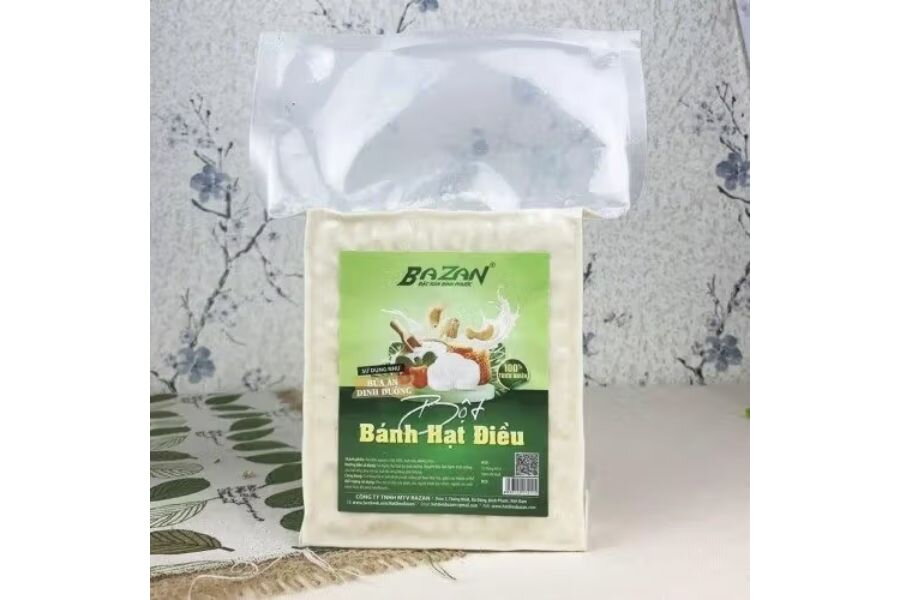
Cashew flour—sometimes called cashew meal—is a fine powder made by grinding cashew nuts or cashew cake, the solid residue left after oil extraction. Unlike traditional flour made from grains, cashew flour is naturally gluten-free, grain-free, and dairy-free, making it an ideal option for those with allergies or dietary restrictions.
There are two main types of cashew flour:
-
Whole Cashew Flour – Made from raw or roasted whole cashews. It is rich in oils, creamy in texture, and typically used in gourmet baking and cooking.
-
Cashew Cake Flour – Made from defatted cashew cake (residue after pressing cashew oil). It has a lower fat content and is more commonly used in large-scale or commercial food production.
Nutritional Profile of Cashew Flour
Cashew flour is more than just a substitute—it’s a nutritional upgrade in many ways. Here’s why:
Whole Cashew Flour:
-
High in healthy fats (especially monounsaturated fats)
-
Good source of plant-based protein
-
Contains essential minerals like magnesium, copper, zinc, and phosphorus
-
Rich in dietary fiber
-
Provides antioxidants including vitamin E
Cashew Cake Flour:
-
Lower fat content due to oil extraction
-
Higher fiber concentration
-
Still retains protein and mineral content
-
Cost-effective for bulk production
Whether used in homes or in industry, cashew flour brings functional health benefits and culinary versatility.
What is Cashew Flour Used For?
Cashew flour is gaining popularity in both household kitchens and industrial food manufacturing. Here are the most common uses:
1. Baking
Cashew flour’s fine texture and natural sweetness make it ideal for baking:
-
Cookies
-
Cakes and muffins
-
Pancakes and waffles
-
Energy balls and snack bars
In recipes, it often provides a moist, tender crumb and pairs well with coconut, chocolate, and fruits.
Tip: In gluten-free baking, cashew flour is often mixed with almond flour, coconut flour, or tapioca starch for structure and elasticity.
2. Thickening Sauces & Gravies
Thanks to its mild flavor and creaminess, cashew flour is used to thicken:
-
Vegan cheese sauces
-
Soups and stews
-
Curries
-
Salad dressings
It dissolves smoothly and adds body to liquid-based dishes without overpowering other ingredients.
3. Breading & Coating
Cashew flour is a great substitute for breadcrumbs or wheat flour in coatings for:
-
Fried chicken
-
Tofu
-
Fish
-
Roasted vegetables
It crisps up nicely and adds a subtle nuttiness when baked or pan-fried.
4. Industrial and Commercial Use
Cashew flour, especially from cashew cake, is used by:
-
Food processors producing gluten-free baked goods
-
Snack manufacturers making protein-rich chips or biscuits
-
Vegan and keto food brands developing dairy-free spreads or sauces
-
Nutraceutical companies using it in functional foods and supplements
Cashew cake flour is particularly attractive due to its lower fat, longer shelf life, and affordability.
Environmental and Economic Benefits
✅ Zero Waste Production
Cashew flour is often produced using broken cashew kernels or cashew cake, promoting sustainability and minimizing agricultural waste.
✅ Supporting Local Economies
In cashew-producing countries (e.g., Vietnam, India, Nigeria), flour production adds value to cashew processing chains, creating jobs, boosting exports, and supporting rural development.
✅ Allergen-Free & Clean-Label
Cashew flour aligns with modern consumer trends demanding all-natural, allergen-free, clean-label ingredients.
Storage and Shelf Life
Because of its natural oils, whole cashew flour can go rancid if not stored properly. To keep it fresh:
-
Use airtight containers
-
Store in a cool, dry place
-
Refrigerate or freeze for longer shelf life (up to 12 months)
Cashew cake flour, due to its lower fat content, tends to last longer under ambient storage conditions.
How Much Does Cashew Flour Cost?
Cashew flour prices depend on the type (whole nut or cake-based), processing method, origin, and order size.
Price Breakdown:
| Product Type | Typical Price (USD/kg) | Use Case |
|---|---|---|
| Whole Cashew Flour | $6.00 – $12.00 | Gourmet baking, home use |
| Defatted Cashew Cake Flour | $2.50 – $5.00 | Bulk industrial, baking mixes, feed |
| Organic Certified Flour | $10.00 – $15.00 | Premium food and health products |
| Bulk Orders (Cake-Based) | $1.50 – $3.00 | Manufacturers, food processors |
Bulk purchases or direct sourcing from cashew factories can lower prices significantly, especially for defatted flour.
Where is Cashew Flour Produced?
Major producers include:
-
Vietnam: One of the world’s top cashew exporters and processors, known for high-quality defatted flour and whole flour production.
-
India: Offers both artisanal and industrial flour in various forms.
-
Ivory Coast & West Africa: Rising in prominence due to government-supported cashew processing projects.
How to Choose High-Quality Cashew Flour
When buying cashew flour, look for:
-
100% cashew content, no fillers or additives
-
Fine, uniform texture
-
Pale beige to light brown color
-
Mild nutty aroma (not sour or oily)
Prefer products with:
-
HACCP / ISO certifications
-
Low moisture content
-
Vacuum-sealed packaging
Conclusion
Cashew flour is much more than a niche product—it's a nutritious, sustainable, and delicious flour alternative. Whether made from whole nuts or defatted cashew cake, it supports diverse uses in both home kitchens and commercial food production.
With prices ranging from $2 to $15 per kilogram, depending on quality and usage, it is accessible to everyone from health-conscious consumers to global manufacturers.
As consumer demand for gluten-free, plant-based, and clean-label products continues to rise, cashew flour is well-positioned to become a staple ingredient in modern food innovation.
Learn more: Cashew Cake Flour
TVQuản trị viênQuản trị viên
Xin chào quý khách. Quý khách hãy để lại bình luận, chúng tôi sẽ phản hồi sớm