
 Brian Dương
#What Is Rice Ash? What Is It Used For?
What Is Rice Ash? What Is It Used For?
27/05/2025 -
Nội dung bài viết
Rice ash, a byproduct obtained from burning rice husk or straw, is gaining widespread attention for its diverse industrial and environmental applications. Rich in silica and other minerals, rice ash is a valuable resource that has transformed from agricultural waste into an eco-friendly raw material. This article explores what rice ash is, its composition, and its various uses across industries.
Understanding Rice Ash
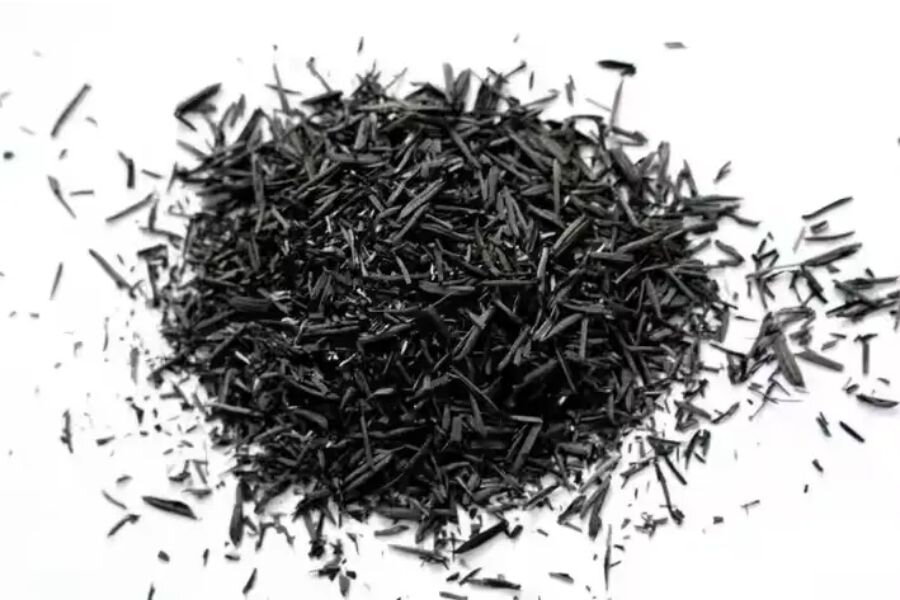
Rice ash is the residual solid material left after the combustion of rice husks or rice straw. The process involves burning the outer protective layer of rice grains—rice husks—or the leftover stalks after harvesting, resulting in a fine, powdery ash.
Composition of Rice Ash
Rice ash primarily contains:
-
Silica (SiO₂): The major component, typically over 80%, making it highly valuable.
-
Minerals: Such as potassium, calcium, magnesium, and phosphorus.
-
Trace elements: Iron, aluminum, and other minor elements.
-
Carbon Residue: Small amounts of unburnt carbon may remain depending on combustion quality.
The high silica content, often in amorphous form, distinguishes rice ash from other agricultural ashes.
Types of Rice Ash
-
Rice Husk Ash (RHA): Produced by burning rice husks; rich in amorphous silica.
-
Rice Straw Ash: Derived from burning rice straw; generally lower silica content but still valuable.
Properties of Rice Ash
-
High Surface Area: Due to porous nature, enhancing its reactivity.
-
Lightweight and Fine: Makes it easy to handle and mix in composites.
-
Alkaline pH: Useful in neutralizing acidic materials.
-
Thermal Stability: Suitable for high-temperature applications.
Uses of Rice Ash
Rice ash’s unique properties have enabled its use in numerous fields:
1. Construction Industry
-
Pozzolanic Material: Rice ash acts as a supplementary cementitious material in concrete and mortar, improving strength, durability, and reducing environmental impact by lowering cement usage.
-
Lightweight Concrete: Incorporated to produce lightweight and insulating concrete blocks.
-
Bricks and Tiles: Used in manufacturing bricks and ceramic tiles with enhanced properties.
2. Agriculture
-
Soil Amendment: Provides silica and other minerals beneficial for crop growth.
-
pH Adjustment: Helps neutralize acidic soils.
-
Pest Deterrent: Acts as a natural insecticide in some cases.
3. Environmental Applications
-
Wastewater Treatment: Utilized as an adsorbent for removing heavy metals and pollutants.
-
Soil Remediation: Binds contaminants and aids in detoxification.
4. Industrial Applications
-
Silica Source: Extracted silica from rice ash is used in glass, ceramics, and electronics manufacturing.
-
Activated Carbon Production: When combined with carbon-rich materials, rice ash aids in producing activated carbon.
-
Catalysts and Fillers: Used as a filler material in polymers and as a catalyst support.
5. Energy Sector
-
Bioenergy Byproduct: Residue from biomass energy plants using rice husks.
Advantages of Using Rice Ash
-
Sustainable: Converts agricultural waste into valuable resources.
-
Cost-Effective: Reduces need for expensive raw materials.
-
Environmental Benefits: Lowers greenhouse gas emissions by replacing cement and reducing waste.
-
Enhances Material Properties: Improves mechanical and durability aspects of construction materials.
Challenges and Considerations
-
Quality Variability: Depends on combustion temperature and rice husk source.
-
Processing Needs: Requires controlled burning to obtain high-quality amorphous silica.
-
Handling: Fine ash requires proper management to avoid health risks and environmental dispersion.
Conclusion
Rice ash is a versatile, sustainable byproduct of rice husk and straw combustion with significant applications in construction, agriculture, environmental management, and industry. Its rich silica content and unique physical properties make it a valuable material for enhancing products and processes while promoting environmental sustainability. As industries seek greener alternatives, rice ash stands out as a promising resource transforming agricultural waste into economic and ecological value.
Learn more: Rice Ash
Xem thêm: https://foods.be5.com.vn/gao-hat-dai/
TVQuản trị viênQuản trị viên
Xin chào quý khách. Quý khách hãy để lại bình luận, chúng tôi sẽ phản hồi sớm